
Black Women and Fibroids plus Q and A
Tuesday 19 July 6.45-9pm (be on time)
Kensington Library Theatre
Phillimore Walk, London W8 7RX
Tube: High St Kensington on District/Circle line (5 mins walk)
Entry: £6.00 in advance from http://www.wegottickets.com/event/124825 £8 on the door. Previous event had a waiting list 2 weeks in advance so dont delay
Feedback from previous event at Dana Centre, Science Museum on 2nd June 2011
“It was excellent. The Q and A was the best part, informative and enjoyable” Nadia
“The best part was hearing other black womens experiences and being able to ask searching questions and getting straight answers from the gynaecologist ” Michaela
Black women are more likely to suffer from fibroids* at one time they found hysterectomy (removal of the womb) was offered as the only solution. There is a huge lack of awareness as to the details on this condition which affects black women far more than white women. Following on from our previous events, Black Women & Breast Cancer and Black Women & Fibroids we repeat this event by popular demand.
We will hear from two fibroids survivors Lainey McClean and Cynthia Langdon, one of whom had a 10 pound fibroid. They will tell us their journey from diagnosis to cure and share their preventative tips and personal insights . We will also hear from Consultant Obstetrician and Gynaecologist, Gibson Akpobome Clinical Director of a Women’s Services Unit in London
Make sure you are on our mailing list for our other July event Black Women: Fibroids and Food.
See our other coming events on history, politics, beauty, superheroes and children at www.blackhistorywalks.co.uk , info@blackhistorywalks.co.uk
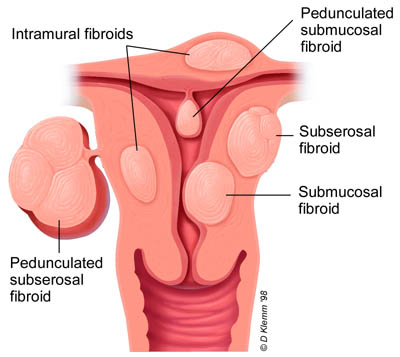
* Uterine fibroids (singular Uterine Fibroma) are benign tumors which grow from the muscle layers of the uterus. They are the most common benign neoplasm in females. Often asymptomatic, they cause symptoms in about 25% of white and 50% of black women [1]. Uterine fibroids often do not require treatment, but when they are problematic, they may be treated surgically or with medication — possible interventions include a hysterectomy, hormonal therapy, a myomectomy, or uterine artery embolization. Estrogen receptors on uterine fibroids cause fibroids to be larger in reproductive years and shrink dramatically in size after a woman passes through menopause. Uterine fibroids are more common in overweight women and women of African descent.
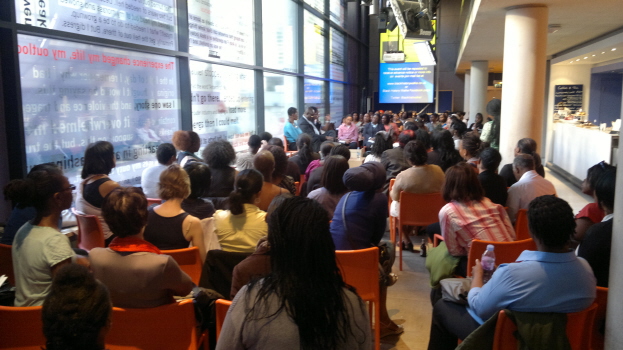
Audience at fibroids event at Science Museum June 2011