British recruiters visit the Caribbean and drive to remote country areas begging the locals to join. Thousands of men and women from the West Indies again volunteer to fight for the ‘mother country’. The unofficial colour bar to black officers lapses in the RAF but is maintained in the Navy. The most qualified black men are creamed off to join the RAF where they experience harder selection tests than local whites. They serve as pilots, navigators, air gunners at a time when the RAF has a man shortage. Black women like Jamaican, Connie Mark, also serve
Somalia, Sierra Leone, Nigeria, Ghana,Tanzania and many other African countries supply almost half a million troops who fight all over Africa against the Germans and later on in Burma and Malaysia against the Japanese. A great deal of the fighting against the Japanese is done by African and Indian troops. India supplies 2.5 million troops in WW2. In the 1950’s Indian troops found themselves experimented on with mustard gas by Porton Down scientists.
The 81st Black Tarantulas and 82nd West African Division perform extremely well against the Japanese but black soldiers are not allowed to be officers and lead troops, this must be done by whites.
Gregory Fombo was a Nigerian who served with Captain Peter Lapage here is an extract from Captain Lapage’ memoirs edited by his daughter..
‘My father told me two stories about Gregory. One was about how many of the Nigerian troops had come straight from their villages and had a very keen “6th sense” in the jungles of Burma. They could tell where the enemy was and pick up their location way before the Europeans. Gregory saved my father’s life on many occasions by pushing him to the ground when they were in danger’
Post World War Two: England and Black Servicemen
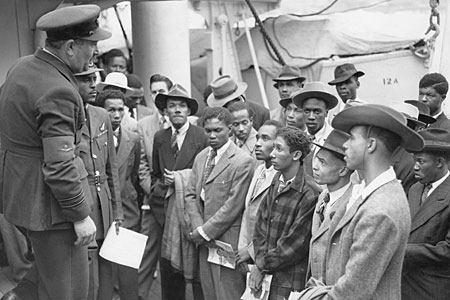 After people like Enoch Powell had toured the Caribbean and specifically invited black people to help rebuild Britain, highly skilled and qualified West Indians were told to F off back where they came from. They were refused jobs, refused bank loans, refused a decent place to live and refused recognition that they had even fought. To this day images of black servicemen, easily available from the Imperial War Museum are overlooked my media sources. Numerous incidents of discrimination from British ex-service associations led to the establishment of what was originally the West Indian Ex Servicemen’s Association.
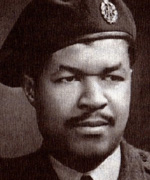 RAF veteran Sam King in his book Climbing up the Rough Side of the Mountain states that he organised with other black people to run a ‘partner’ and buy properties in north, south and east London.He would then rent them to other West Indians so they could avoid discrimination and exploitation from racist locals.
Jamaican Baron Baker also ex RAF was the leader of black resistance to white gang attacks in Notting Hill in August 1958. From his HQ at 9 Blenheim Crescent in response to large white mobs shouting ‘Lets kill the ni**ers! Lets lynch the ni**ers!’ he used his military skills to lead a group of men who petrol-bombed the assailants and chased them away. Later on convoys of black men from Brixton. many of them ex-servicemen, daily patrolled the area to protect the community. These racist attacks on black people were later described as the Notting Hill ‘Riots’
St Lucian George Warner who joined the RAF in the 60’s found that his promotion was blocked. He could not understand why white men with five ‘O’ levels were getting promoted whereas he, with seven ‘O’ levels and three ‘A’ levels, was not getting anywhere. After standing on a desk and complaining about racism, he was forced to clean the toilets with a toothbrush as punishment. A senior officer took him aside and told him that application forms for black servicemen had a mark in the corner to indicate that the applicant was black and would therefore not be considered for promotion.
His cousin Linus Warner with ten o’levels suffered the same treatment but in addition, he was exposed to nuclear radiation tests in Christmas island in the Pacific. Veterans of these experiments are now suing the Ministry of Defence for compensation for their illnesses
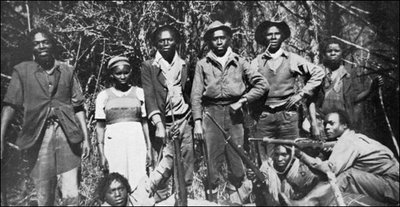 |
| Kenyan Land and Freedom Army Fighters. Many had fought for the British but were disgusted with the treatment they suffered |
Post World War Two: Black Soldiers in Africa
Kenyan troops served with distinction in Burma. Once the war was over Kenyans saw their land given to white soldiers from England while they were forced into slums like Kibera, currently the biggest in East Africa.
Kenyans were not allowed to vote. Some of them joined the Land and Freedom Army to fight for political and social equality. This group was renamed the Mau Mau by the British and labelled as ‘terrorists’. The British Army then established concentration camps where defiant Kenyans were locked up and beaten or starved to death.They were tortured by castration, made to eat dirt, had sticks forced into anuses, had their throats stood on or forced to watch their wives and daughters raped. These acts were performed by local whites and soldiers in the British Army. When the British finally left, evidence of such abuses was burnt in enormous bonfires . According to Professor Caroline Elkins tens of thousands of Kenyans died from abuse and neglect and torture See lecture . Surviving freedom fighters are currently taking the British government to court
In 2004 after years of legal arguments with the British Army/Ministry of Defence, Kenyan people were compensated with an out-of court settlement of £ 500, 000.00 for death and amputations caused by unexploded bombs left by the Brtish Army. The army used parts of Kenya as a training ground. The MOD had paid out 4.5 million pounds in 2002 to other Kenyans disabled by their bombs but refused to accept any responsibility
In 2006 a military inquiry into the alleged rape of over 2000 Kenyan women by British soldiers with cases dating back to 1955 came to the conclusion that there was no case to answer. In effect, all of the women were lying.Read Guardian 14 November 2006
World War Two: Black American Soldiers
By way of comparison black American troops were lynched in uniform in England and America during World War Two by racist whites. Black Americans served in segregated units, are told they are inferior yet given the toughest jobs and most dangerous missions. One example is the all-black 761 ‘Black Panther’ Tank Battalion. When white troops could not take an objective they would bypass it and call up the 761. The 761 took on Germanys finest troops and repeatedly beat them. Unlike other units the 761 was not given rest and recreation but repeatedly used and suffered higher casualty rates than white troops. Despite performing heroic acts and being recommended for the Congressional Medal of Honour black troops are not awarded the medals until 1997 See PBS transcript of 1997 Clinton Speech
The best fighter squadron in World War 2 was, without doubt. the all-Black Tuskegee Airmen. Given the task of escorting US bombers, the Tuskegee airmen had an unequalled record.This compared to previous all-white fighter pilots who failed to protect the bombers. After the war the black pilots found that press reports of their bravery and success were blocked by the US war department, that they couldn’t get jobs with airlines and still could not vote

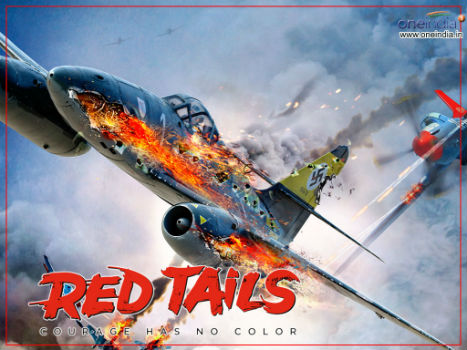
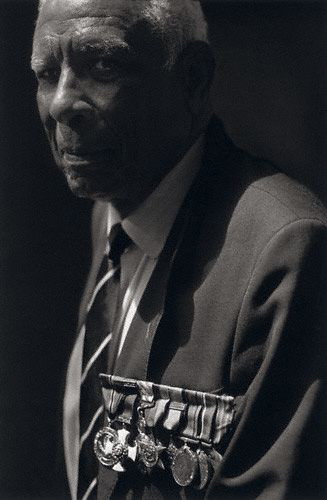
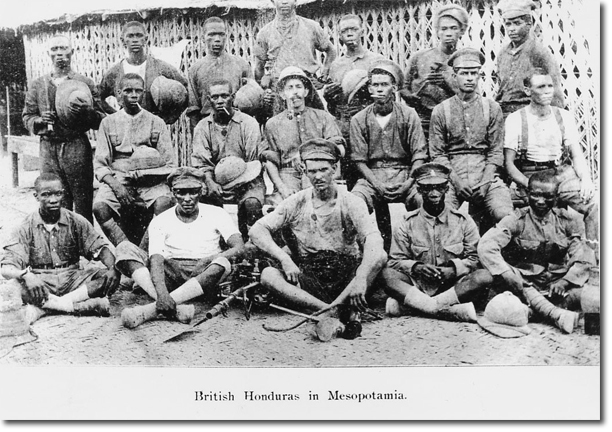
 In 2006 the MOD facing troop shortages, recruits African and Caribbean (Commonwealth) troops . They tour the Caribbean, West Africa and Fiji. Recruits are told if they serve four years, including an overseas tour, they will get British citizenship. Home Secretary John Reid actually changes the rules to facilitate this. Immigrants are wanted, so long as they join the army